
In today’s modern lifestyle, most people spend the majority of their day sitting — working on laptops, using mobile phones, or driving in cars. This repetitive pattern forces the body into a forward-bending posture, where the spine, shoulders, and neck are constantly leaning forward.
Over time, this habitual position creates postural collapse — the chest narrows, the diaphragm becomes restricted, and the natural curves of the spine flatten or exaggerate. The body’s front side becomes compressed, while the back muscles become overstretched and weak.
When the front body collapses, the internal organs — lungs, stomach, intestines, and diaphragm — lose space to function properly. This internal compression affects breathing, digestion, and circulation. The chest and abdominal cavity no longer expand fully, reducing oxygen intake and disrupting the body’s natural energy flow (prāṇa shakti).
🧘♀️ Why These Problems Are Appearing Earlier
In the past, such musculoskeletal and lifestyle disorders were more common after the age of 50, when the body naturally starts to lose muscle tone and flexibility.
But now, due to long sitting hours, mobile use, and sedentary work culture, these problems are visible as early as 20 to 25 years of age.
Many young professionals now report:
- Cervical and shoulder stiffness from hours of laptop and phone use
- Lower back pain from weak spinal and core muscles
- Headaches and migraines from neck strain and poor circulation
- Digestive issues like acidity and acid reflux due to pressure on abdominal organs
- Fatigue, anxiety, and shallow breathing from nervous system tension
Essentially, the modern posture — bent spine, rounded shoulders, forward neck — compresses both body and mind.
🌸 How Therapeutic Yoga Restores Balance
At YogAbhyasa, we work to reverse these effects through Therapeutic Yoga with props, focusing on creating space, support, and alignment.
Using chairs, bolsters, belts, blocks, and ropes, we help students safely realign their spine and open their chest, allowing the internal organs to function freely again.
Key goals of this approach:
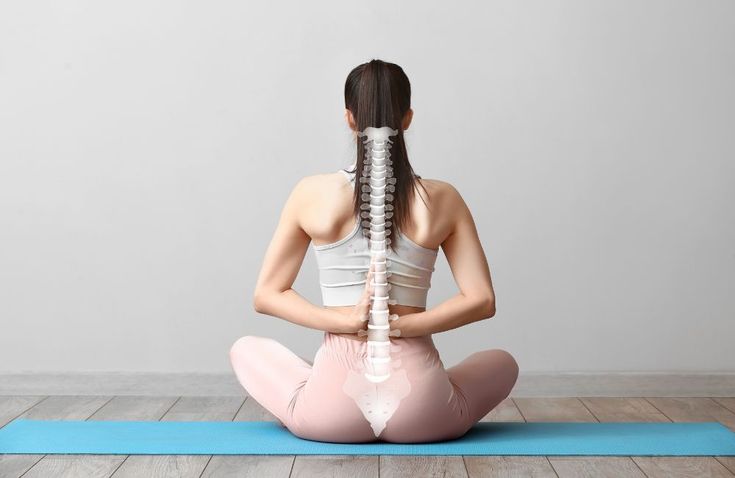
- Decompress the spine — restore its natural curves and strength.
- Open the chest and diaphragm — improve lung capacity and breathing.
- Activate postural muscles — strengthen back, shoulders, and core.
- Calm the nervous system — relieve mental stress and tension.
- Enhance circulation and digestion — promote internal balance.
🌼 The Result
With regular practice, the body gradually returns to its natural, upright posture. The organs regain space, the breath becomes deeper, and energy begins to flow freely again.
Students not only feel relief from pain and tension, but also experience mental clarity, calmness, and renewed vitality.
✨ At YogAbhyasa, we help you reclaim your posture, restore your inner balance, and build a body that supports your life — not one that limits it.